
The story of LED light therapy began with NASA’s groundbreaking research in the 1990s, when scientists discovered that red and near-infrared light could accelerate wound healing in astronauts during space missions.
This space-age discovery led to a fundamental biological insight: specific light wavelengths – particularly 633nm red and 830nm near-infrared – boost cellular energy by stimulating mitochondria, the body’s natural power plants.
By increasing the production of ATP (adenosine triphosphate), these wavelengths essentially give your cells more fuel to repair, regenerate, and function optimally.
What started as a solution for zero-gravity medical challenges soon revolutionised skincare and wellness. Today, these same NASA-tested wavelengths power modern LED therapy devices, offering clinically studied benefits ranging from acne treatment and anti-aging to pain relief and muscle recovery.
As technology has advanced, professional-grade treatments have become available for home use – putting space-tested healing technology in your daily routine.
Researchers continue to unlock new potential, exploring how light therapy may benefit brain health, mood, and neurological conditions.
From its extraterrestrial origins to your bathroom shelf, LED light therapy continues to push the boundaries of non-invasive healing.
Fun fact: Those 10-minute LED sessions you do at home? They’re using the same science developed to keep astronauts healthy in space.
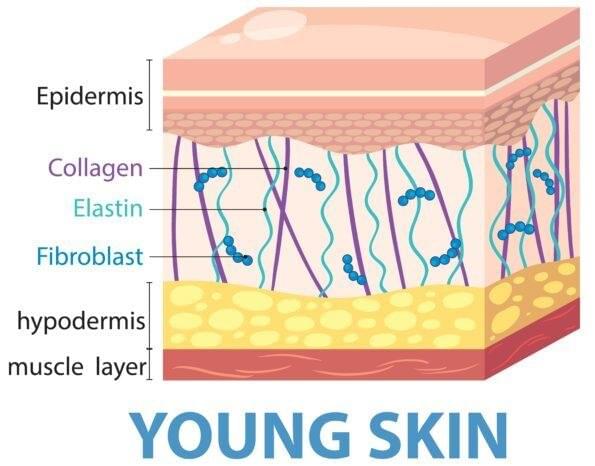
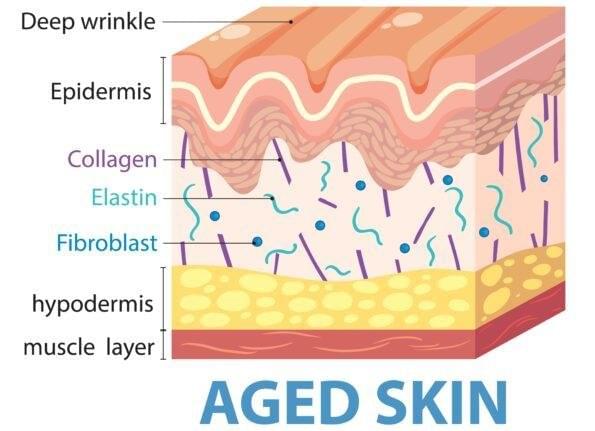
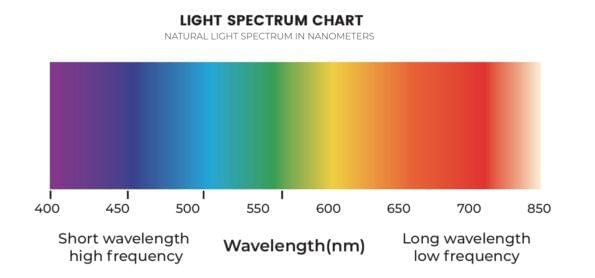
Red light at 633nm penetrates the skin at a relatively shallow level (typically 1–2mm), making it ideal for targeting surface tissues such as the skin, hair follicles, and small blood vessels.
Some of the most widely recognised benefits include:
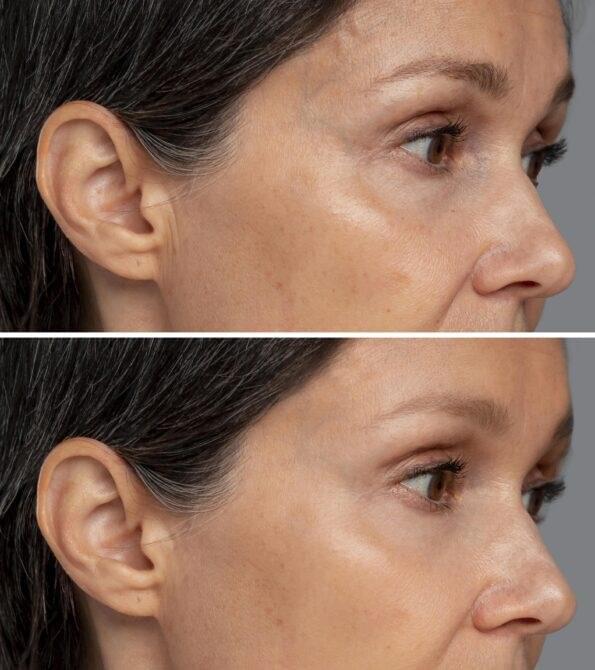
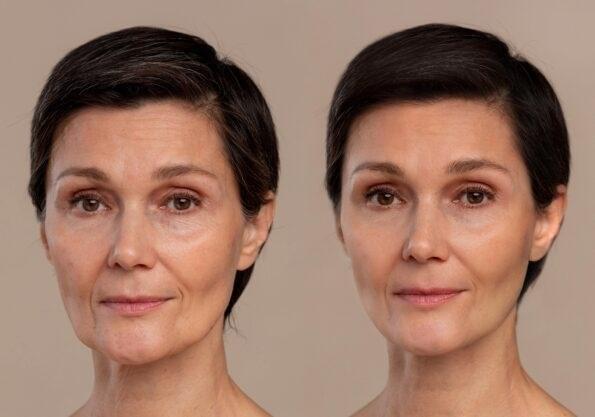
- Skin Rejuvenation: Red light at this wavelength stimulates collagen and elastin production, which helps reduce the appearance of fine lines, wrinkles, and scars. Clinical studies confirm that 633nm red light increases fibroblast activity, leading to measurably improved skin texture and elasticity.
- Wound Healing: Research demonstrates that 633nm light therapy can accelerate the healing of superficial wounds by enhancing cellular metabolism and reducing inflammation. This wavelength boosts ATP production, providing the energy cells need for tissue repair.
- Hair Growth: Red light therapy at 633nm has shown significant promise in treating hair loss. This wavelength stimulates blood flow to the scalp and activates hair follicles, promoting new growth and improving hair density.
- Anti-inflammatory Properties: Inflammation is a key driver of chronic skin conditions like acne and psoriasis. Red light at 633nm reduces the activity of inflammatory mediators, helping to calm irritated skin and prevent breakouts.

1. Skin Rejuvenation and Collagen Production A randomised controlled trial by Goldberg et al. (2006) treated 36 subjects with combined 633nm and 830nm LED therapy over nine sessions. Profilometric analysis showed a statistically significant improvement in wrinkles, with electron microscopy confirming the formation of thicker, denser collagen fibres post-treatment. View Study on PubMed
2. Wrinkle Reduction and Skin Elasticity A prospective, randomised, placebo-controlled, double-blinded split-face clinical study on LED phototherapy found objective reductions in wrinkles of up to 36% and increases in skin elasticity of up to 19% compared to baseline. Histological analysis confirmed a marked increase in collagen and elastic fibres across all treatment groups. View Study on PubMed
3. Acne and Inflammation Reduction A clinical study by Goldberg and Russell (2006) using combined blue (415nm) and red (633nm) LED therapy in patients with mild-to-severe acne found a mean lesion count reduction of 46% at 4 weeks and 81% at 12 weeks of treatment. Red light at 633nm specifically targets the anti-inflammatory response, reducing redness and breakout severity. View Study on PubMed
4. Red Light Therapy for Acne — Standalone Treatment A randomised, single-blinded clinical trial confirmed that red light phototherapy alone is effective for acne vulgaris, showing significant improvements in both non-inflammatory and inflammatory lesion counts on the treated side compared to the untreated control side. View Study on PubMed
5. Hair Growth in Women with Androgenetic Alopecia A clinical study by Lanzafame et al. (2014) found that low-level red LED light significantly improved hair counts in women with androgenetic alopecia, with results comparable to those seen in male subjects using the same treatment protocol. The treatment was well tolerated with no adverse events. View Study on PubMed


Unlike red light, near-infrared light at 830nm penetrates significantly deeper into the body – reaching muscles, joints, tendons, and even bone tissue.
This makes it highly effective for treating musculoskeletal injuries, supporting recovery, and promoting healing in deeper tissues. Key benefits include:
- Pain Relief: Near-infrared light at 830nm reduces pain in conditions such as arthritis, tendinitis, and chronic back pain. It works by enhancing local circulation, reducing pro-inflammatory mediators, and modulating pain signal pathways.
- Improved Circulation: By promoting vasodilation (widening of blood vessels), 830nm light therapy enhances blood flow to injured or compromised tissues. This increases oxygen delivery and accelerates the removal of metabolic waste products.
- Neuroprotection and Brain Health: Emerging research suggests that near-infrared light may support neurological health. Studies are exploring its potential to stimulate production of brain-derived neurotrophic factor (BDNF) and protect nerve cells from oxidative damage – with promising early findings in areas such as traumatic brain injury and neurodegenerative conditions.
- Muscle Recovery: Athletes widely use 830nm light therapy to accelerate recovery after intense exercise. This wavelength reduces muscle soreness by decreasing inflammation and enhancing mitochondrial function in muscle cells, leading to faster repair and return to performance.
1. Athlete Injury Recovery and Return-to-Play A landmark pilot study by Foley et al. (2016) at Lehigh University treated 395 injuries in university athletes using 830nm LED phototherapy. Athletes receiving the treatment had an average return-to-play time of 9.6 days, compared to an anticipated 19.23 days with conventional treatment alone — representing a statistically significant improvement (p = 0.0066). 78.5% of athletes reported high satisfaction with the treatment. View Study on PubMed
2. Red and Near-Infrared Light for Skeletal Muscle Fatigue A controlled study directly comparing red (660nm) and infrared (830nm) low-level laser therapy in skeletal muscle fatigue found that both wavelengths improved muscle performance and reduced biochemical markers associated with fatigue. The 830nm wavelength’s deeper penetration made it particularly effective for larger muscle groups. View Study on PubMed Central
3. Infrared Therapy for Chronic Low Back Pain A randomised, controlled clinical trial found that infrared therapy provided significant pain relief in patients with chronic low back pain, with improvements in both pain scores and functional mobility compared to control conditions. View Study on PubMed Central
4. Clinical Recommendations for Photobiomodulation in Sport A comprehensive review published in 2019 in Lasers in Medical Science set out evidence-based clinical and scientific recommendations for photobiomodulation therapy in exercise performance enhancement and post-exercise recovery, confirming near-infrared therapy as an effective, well-tolerated intervention. View Study on PubMed
5. Photobiomodulation for Wound Healing A review of the evidence on noninvasive red and near-infrared photobiomodulation for cutaneous wound healing confirmed that both wavelengths promote impaired wound healing through multiple cellular mechanisms, including enhanced collagen synthesis, reduced inflammation, and improved blood supply to wound sites. View Study on PubMed

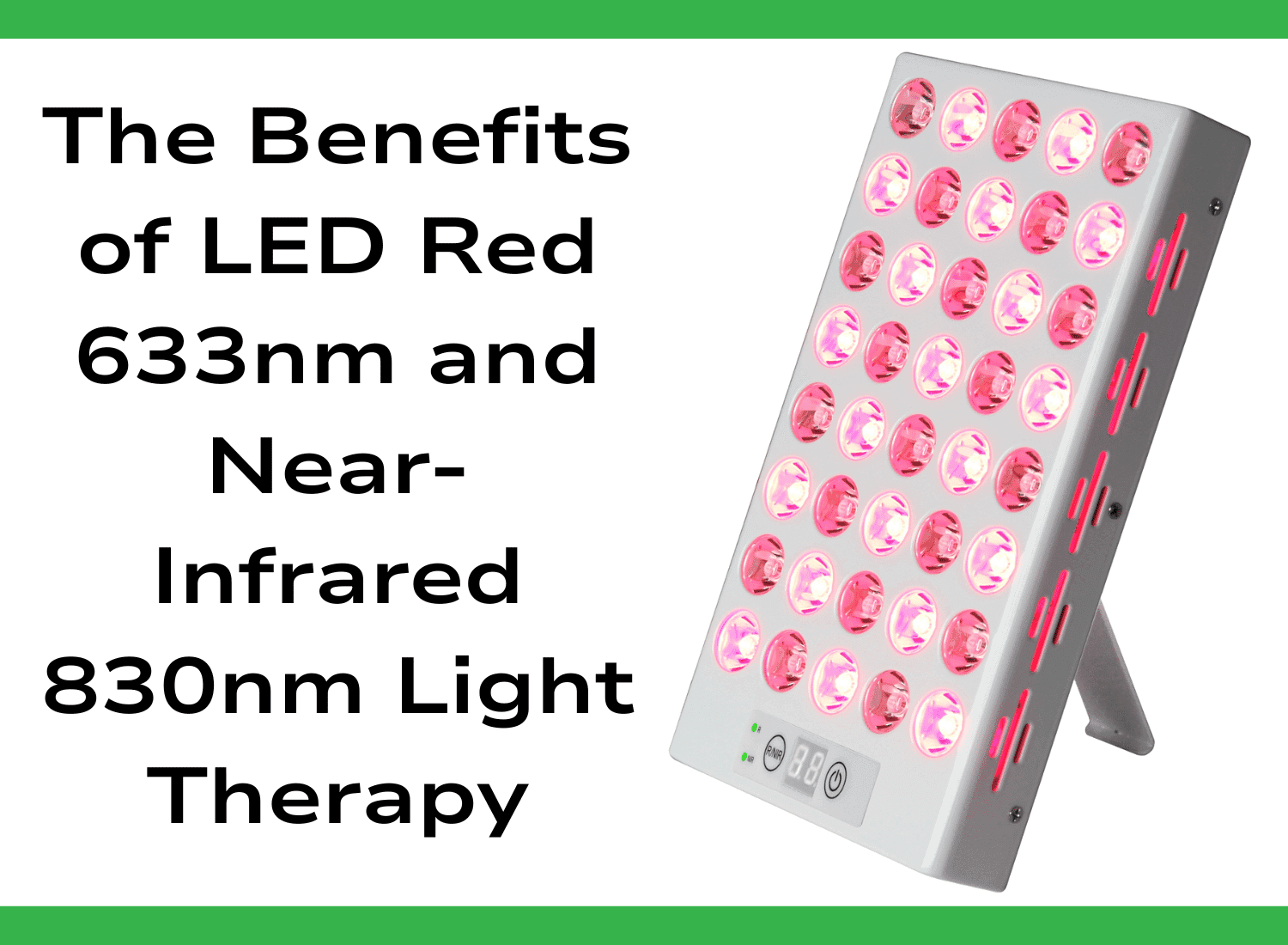
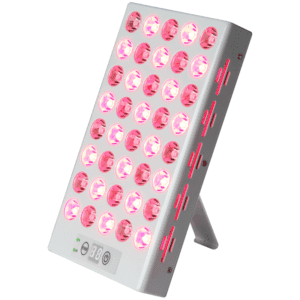
- Skin Rejuvenation #3 Red Light 633nm & 830nm Near-Infrared Light (Ideal for Anti-Aging, Pigmentation and Wounds) Skin Rejuvenation #3 Red Light 633nm & 830nm Near-Infrared Light (Ideal for Anti-Aging, Pigmentation and Wounds) This non-invasive Skin Rejuvenation #3 panel promotes anti-aging by improving collagen production, which users find reduces wrinkles, and enhances skin elasticity for a youthful appearance, utilising 633nm (red) and 830nm (near-infrared) wavelengths.
Devices: Wearables, Portables, and Panels
- Wearables: Designed to fit around specific body parts such as the knees, elbows, or neck, delivering targeted light therapy to areas of chronic pain or muscle soreness. Particularly effective for joint conditions and localised treatment.
- Portable Devices: Handheld or compact LED devices allow focused treatment of the face, scalp, or small muscle groups. Ideal for home use and suitable for travel, they offer flexibility without compromising on wavelength accuracy.
- Panels: Larger light therapy panels treat broad areas or the full body in a single session. Used professionally in clinics and spas, full-body panels are increasingly popular for home use, providing consistent, full-coverage treatment for skin rejuvenation and systemic recovery.
- Joules: The energy dose delivered during a session is measured in joules per square centimetre (J/cm²). For effective photobiomodulation, the recommended therapeutic window is typically 4–10 J/cm², depending on the condition and tissue depth.
- Watts: Device power output is measured in watts. Red light and near-infrared therapy devices typically range from 5W to 100W or more. Higher power allows faster dose delivery, but correct exposure time matters more than raw wattage.
- Lens Degree: The emission angle of the LEDs affects how the light is distributed. Narrower angles (30-60°) concentrate light for targeted treatment, while wider angles (90°+) allow broader, more diffuse coverage – typical of larger panels.


 6. Step-by-Step Guide to Using LED Red and Near-Infrared Light Therapy


 6. Step-by-Step Guide to Using LED Red and Near-Infrared Light Therapy